
_plate_full_of_Indian_sweets_mithai_desserts_b.jpg)
Kolkata is a city famous for its rich tradition, culture, and art. However, there is a sweeter side of the city that captures your heart and taste buds.
In Kolkata, mishti (sweets) are not just desserts; they are what define the city. A guest arrives? Sweets. A child is born? Sweets. Festival? Sweets. Even a full-course meal is incomplete without sweets. That’s how things work in Bengal.
This is the story of how Kolkata became India's sweet capital, and which classics you cannot miss while visiting.
Kolkata’s Sweet History
Bengal’s sweet-making tradition dates back to ancient times, when it had an abundance of sugarcane and date palms. Back then, sweets were made from rice, coconut, and gur (jaggery).
Everything changed in the 16th and 17th centuries, when the Portuguese arrived. They introduced the cheese-making recipe, the process of curdling milk and making chenna (cottage cheese). This recipe changed the dynamics of Bengali sweets.
The Birth of Rosogulla
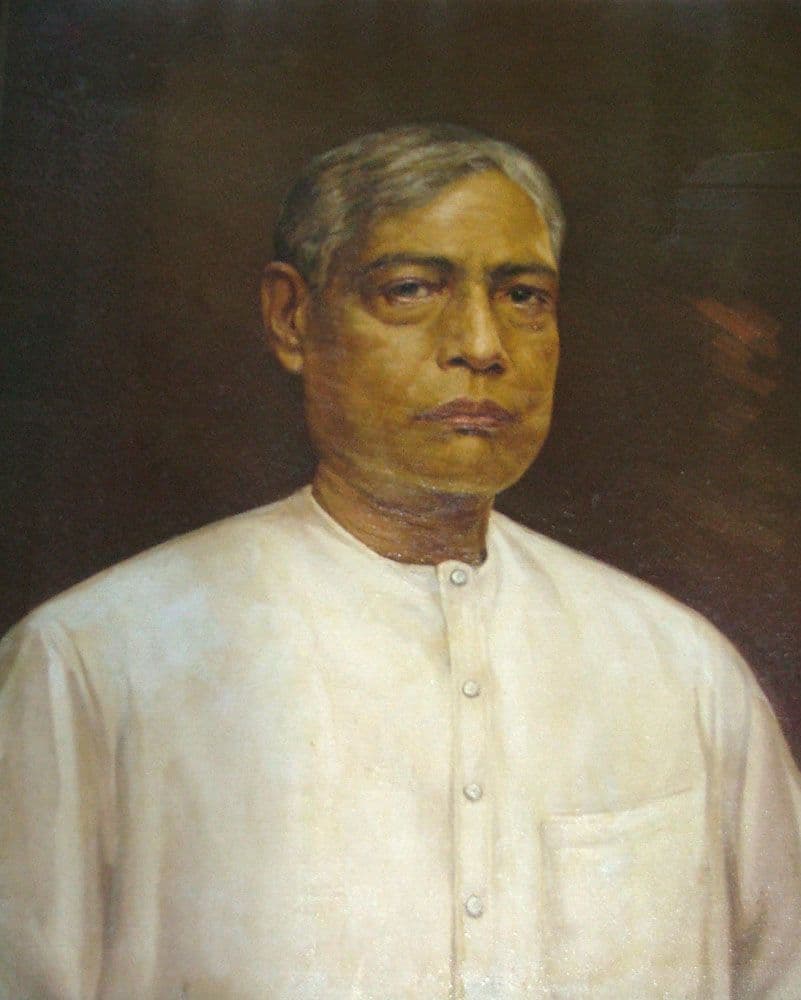
In 1866, a young boy, barely 18 years old, named Nobin Chandra Das, was tired of being mocked and poor. He started his own sweet shop with his close friend, determined to create something original[1]
Das tried boiling chenna (cottage cheese) balls in sugary syrup, but failed every time, as they would fall apart. After many failed experiments, he finally found the solution: adding reetha (soapnut) extract that created tiny bubbles, making the balls spongy, and soaking the syrup. And so, Rosogulla was born!
His friend suggested patenting the recipe, but Das refused. He wanted it to spread, to become famous.
And that’s exactly what happened. His creation of soaked chenna balls changed the whole sweets market and started dominating Bengal’s sweets shops.
Must-Try Kolkata Sweets
Rosogulla – The Cultural Icon
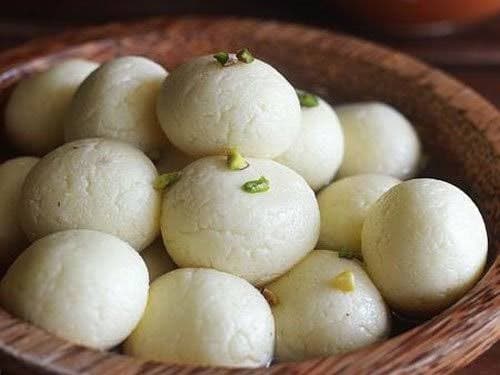
Being Kolkata’s staple sweet, Rosogulla is a must-try! As you put them in your mouth, these soft, spongy balls melt, filling your mouth with sweet sugary syrup. That's when you know your diet plan won’t stand a chance.
Sandesh – The Edible Art
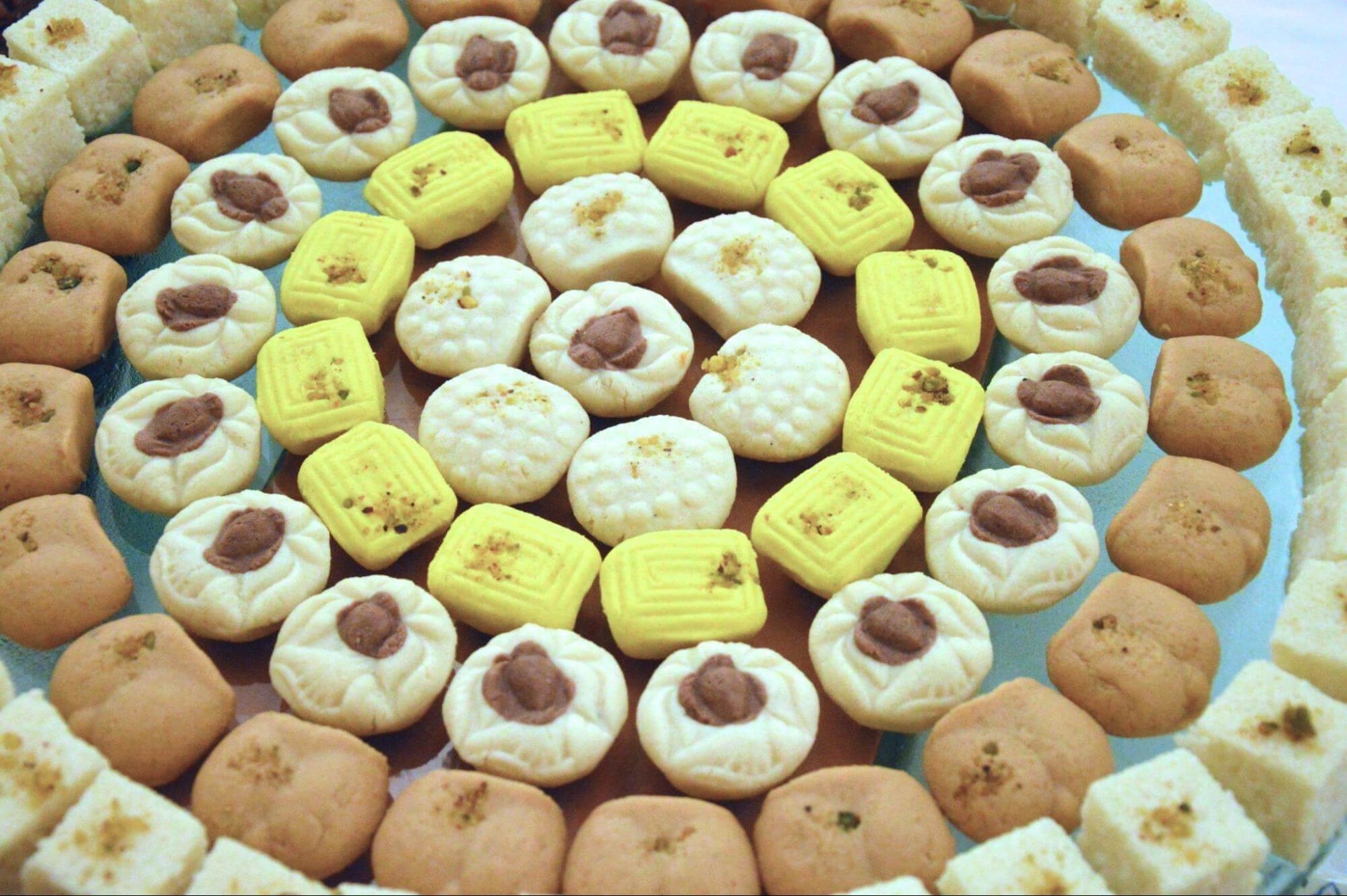
An edible art of craftsmanship and flavours, Sandesh is made of fresh chenna and sugar. This sweet is crafted into charming shapes—fish, flowers, and miniature fruits—and comes in a variety of flavours. They are typically infused with rose water, cardamom, and saffron, then garnished with nuts and dry fruits.
With every bite, you’ll feel its soft texture, slightly dry with a milky flavour, and a light, lingering sweetness.
This sweet is very popular during festivals and occasions, especially during Durga Puja and other festivals.
Rasmalai – The Royal Sweet
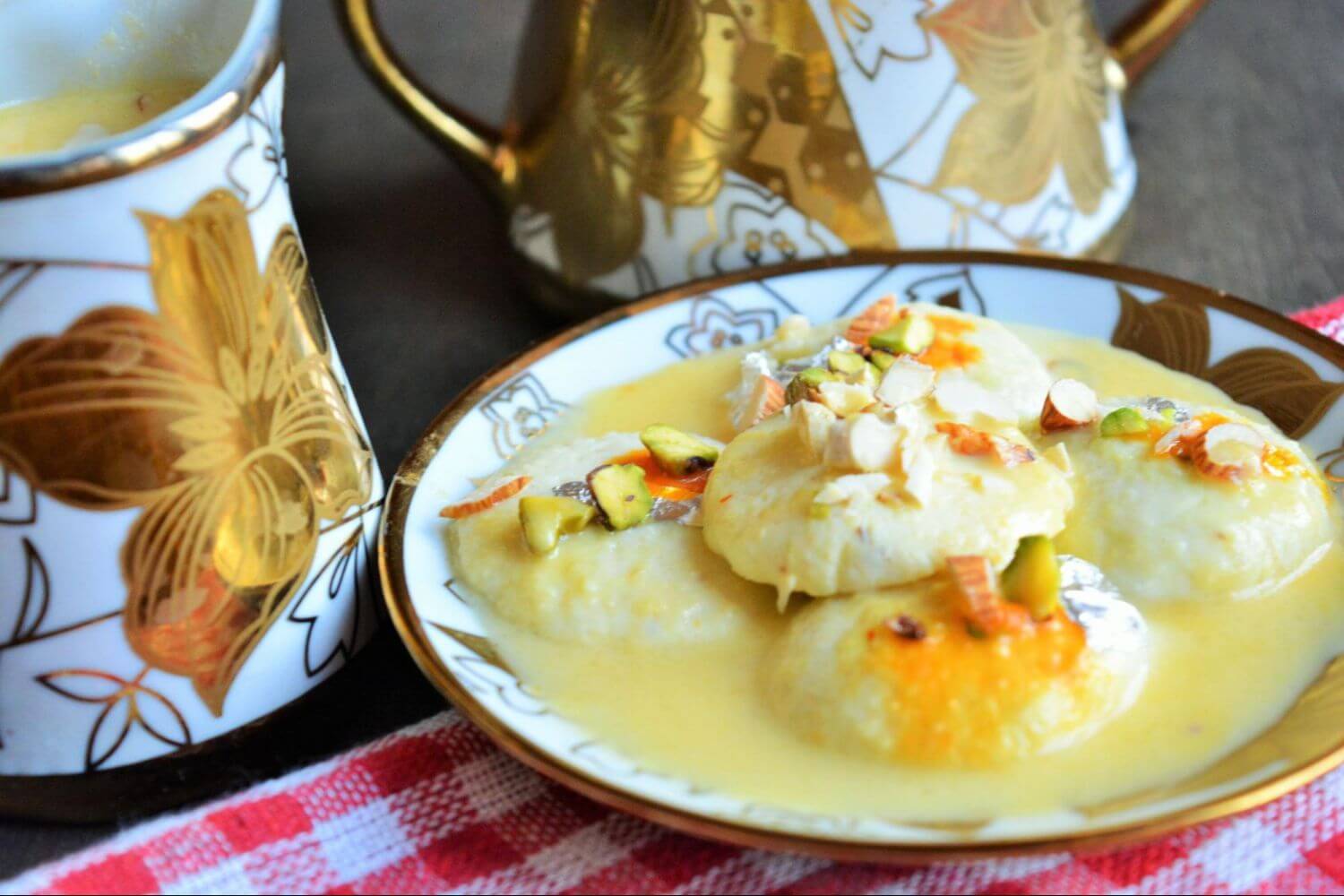
While rosogulla is a go-to sweet, rasmalai is a luxury. They are flattened chenna balls soaked in a thick, sweetened milk flavoured with cardamom, saffron, and rose water. Famous for its rich, milky taste and soft, melt-in-mouth texture. Rasmalai is further garnished with chopped pistachios, almonds or saffron—one bite and you’ll be mesmerized by its taste.
This sweet is very popular in weddings and special occasions across India.
Mishti Doi – A Timeless Bengali Delight
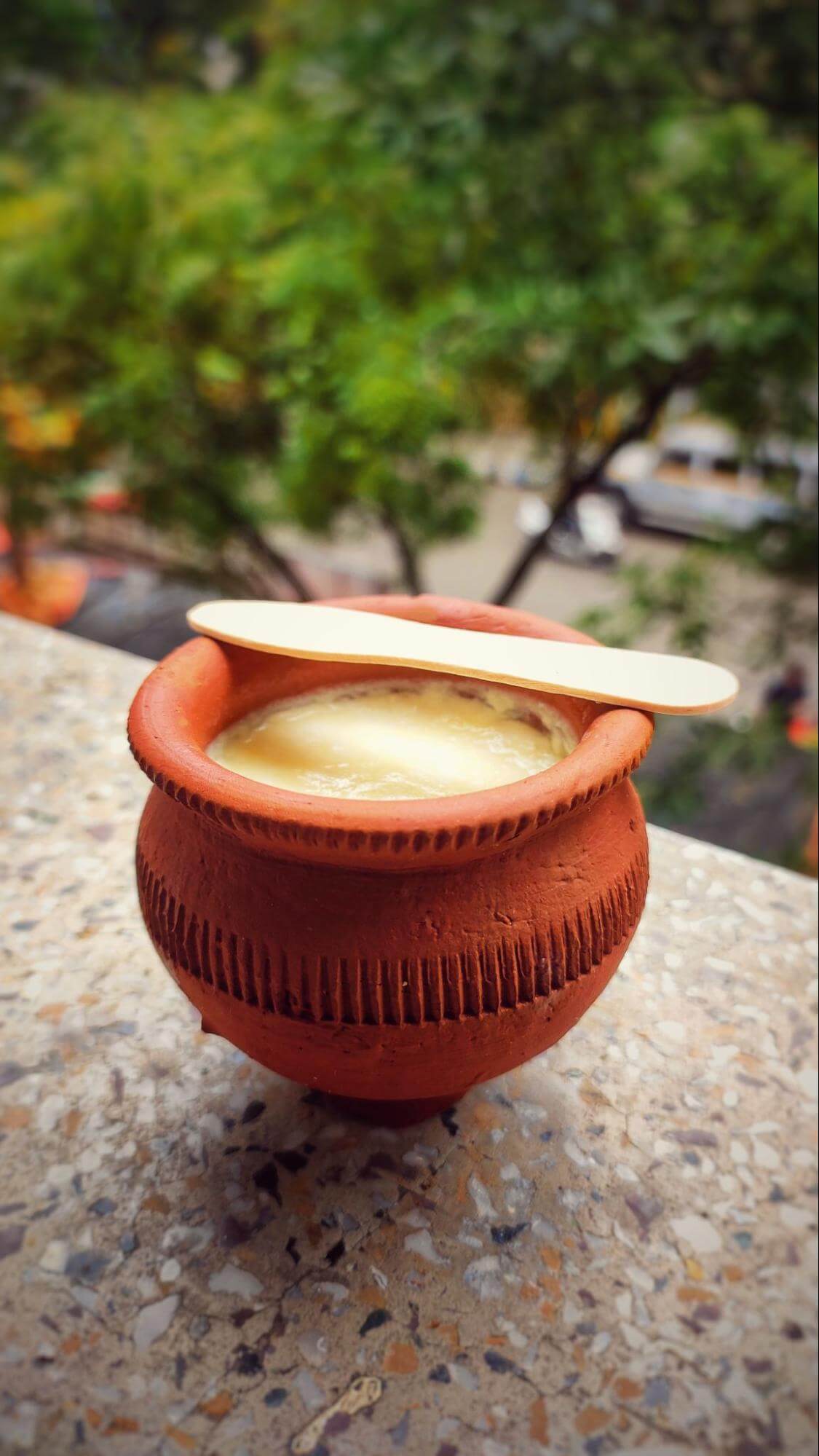
This mishti is often served chilled—a tasty treat in the hot summer season. Served in clay pots, it's a sweet yogurt that has a creamy texture and caramelised flavour, making it refreshing and healthy.
Why Sweets Matter In Bengal?
In Bengal, sweets are the strings that weave the culture together. They shape daily rhythms, mark milestones, and thread through every festival, ritual, and celebration. Sharing them is second nature as they are a form of hospitality and culture. To skip them is almost unthinkable, and to deny them comes off as rude. No moment here feels whole without mishti.
Every major shop in Kolkata has stood there for generations, passing down its years of legacy, with loyal customers buying from the same shops for decades. One bite, and you’ll understand why.
Famous Sweet Shops In Kolkata
K.C. Das (Nobin Chandra Das's legacy, famous for rosogolla)
Balaram Mullick & Radharaman Mullick (known for innovative sandesh)
Girish Chandra Dey & Nakur Nandy (traditional favourites)
Banchharam
Visit any of these, and you experience authentic Bengali Mishti.