
Jaipur: A city loud and vibrant, yet calm and peaceful. Where, despite its crowds and busy roads, you pause and observe the life around you. The Rajasthani culture, the palaces, the bazaars, and the pink buildings. Here, daily life carries centuries of tradition.
Unlike most Indian cities that evolved organically over time, Jaipur was deliberately planned and structured according to the code of Vastu Shastra.
Beginnings of Jaipur
The story of Jaipur starts back in the early 18th century, with Maharaja Sawai Jai Singh II. As the kingdom expanded and its population grew, water shortages in Amber became the main issue. That’s when the idea of Jaipur came to Singh. He surveyed the area within his region and identified the one with the best defence, climate, and water supply.
He then invited the chief architect, Vidyadhar Bhattacharya, who, with the codes of Shilpa Shastra and Vastu Shastra, laid out the foundation of Jaipur. When the construction was completed, Sing then shifted his capital from Amber to Jaipur.
Now, Jaipur did not become pink until the Prince of Wales arrived (King Edward VII). When he first visited Jaipur in 1876, the Maharaja ordered his people to colour every house, building, and palace pink. The color, associated with hospitality, remained and gradually became a defining feature of the city.
Jaipur’s Bustling Bazaars
The real Jaipur doesn't start with its royal palaces, but with its busy streets and local bazaars.
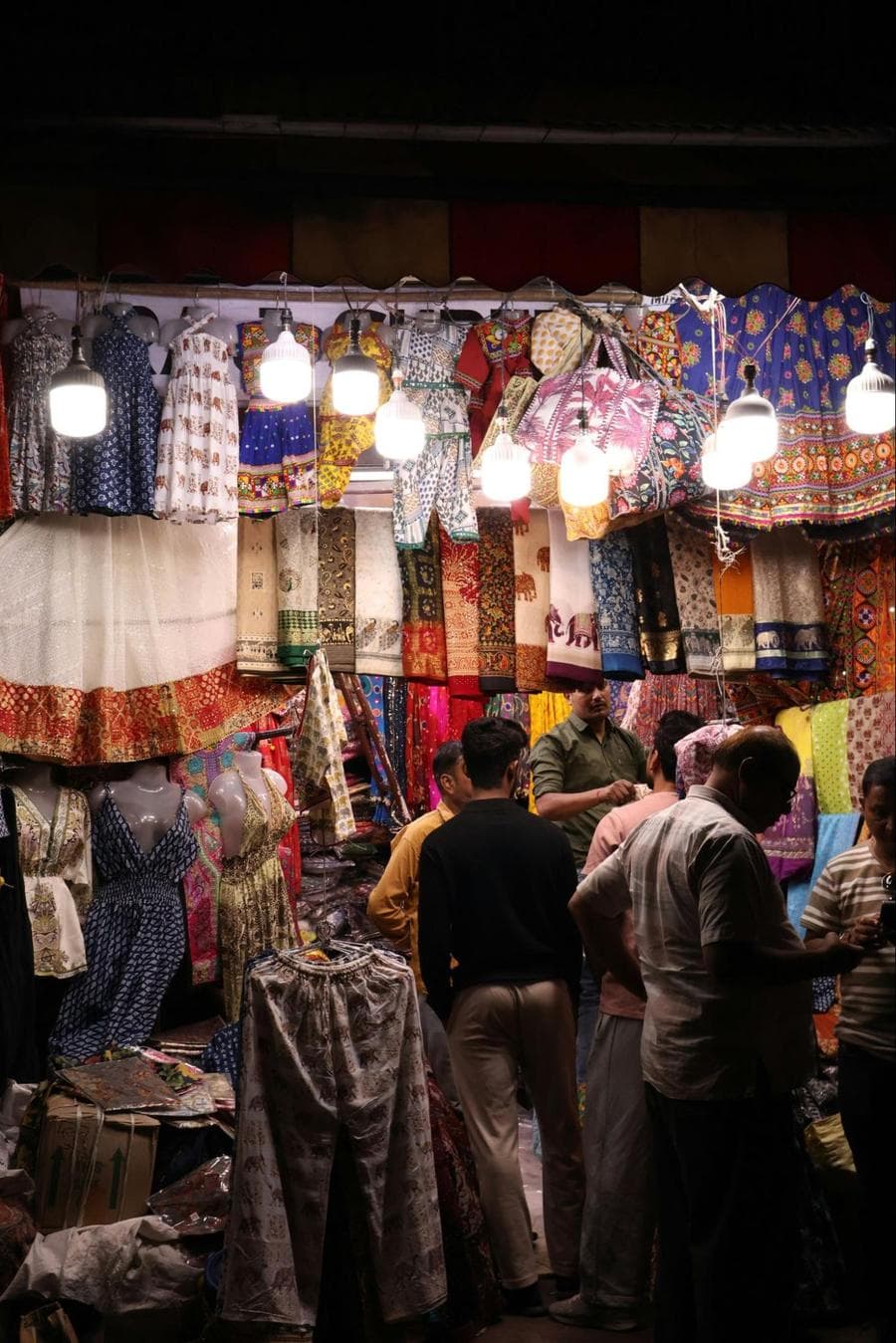
Johari Bazaar: The oldest and busiest bazaar of Jaipur. True to its name, Johari means jewellers. This market is lined up in narrow shops selling beautiful Rajasthani-designed jewellery and gemstones for generations.
Bapu Bazaar: Just a few steps ahead lies the more traditional Rajasthani bazaars, filled with block-printed fabrics, environmentally made bangles, mojris (footwear), traditional Rajasthani attire, and exclusive handicrafts. Each holds its own unique story.
Women bargain with shopkeepers to get a good deal, typical in Indian culture. Roadside stalls are buzzing with customers. You can even ask for a custom bangle design, they’ll create it right in front of you.
Visit stalls where people stop to eat, chat, and laugh. It’s not a fancy restaurant or cafe, but the flavor will blow your mind. A taste that only Jaipur can provide.
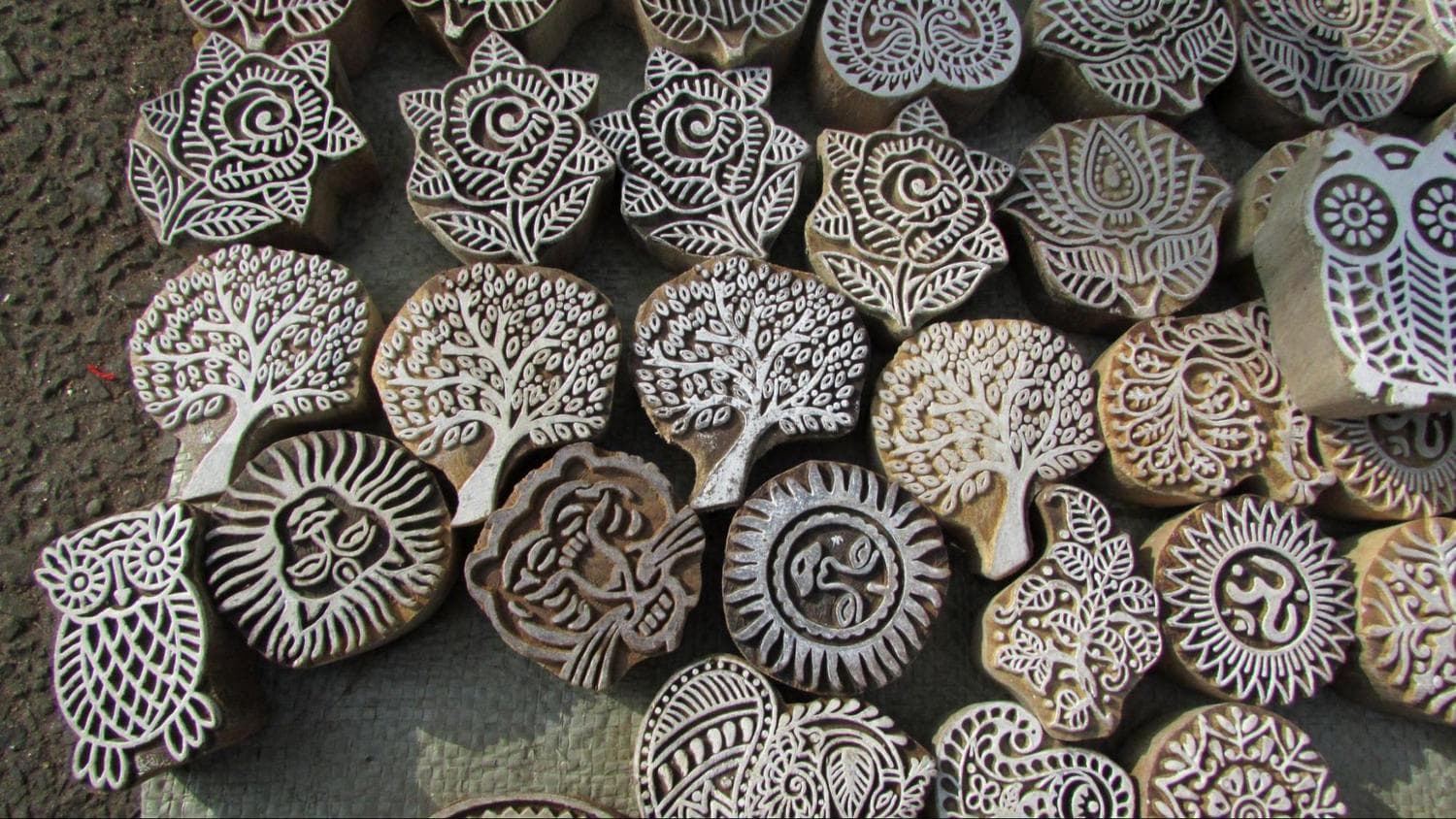
The fun doesn’t stop there. A city heavily invested in art has many art studios offering workshops for visitors to experience and understand their traditional craft. You can even learn the century-old block-printing technique to create your very own handmade cloth.
Eat Your Way Through
Jaipur offers a robust range of flavours through its smoky, and a little spicy, ghee-rich cuisine. Your stomach will fall in love with it.
Dal Bati Churma
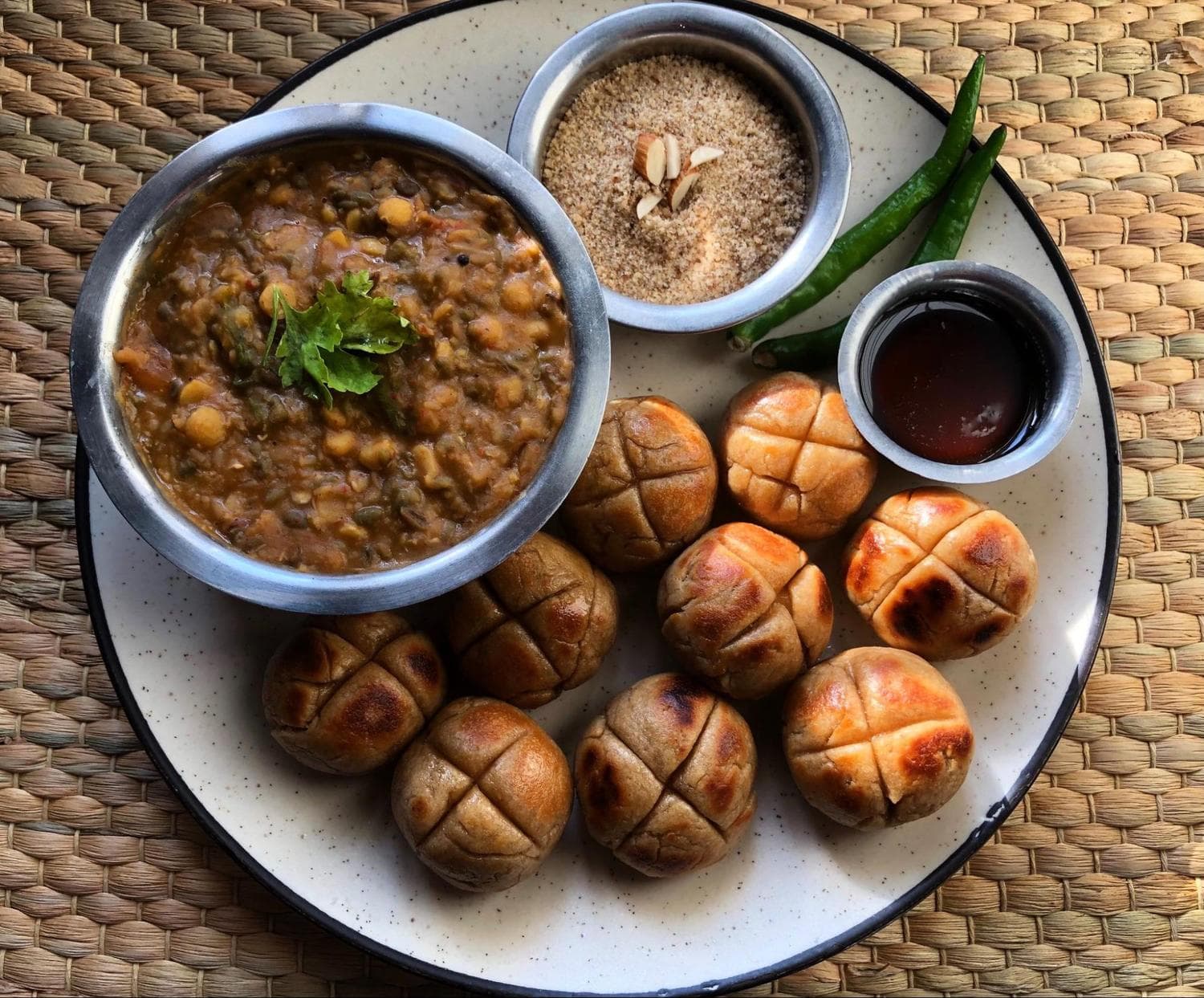
Dal: A mix of different lentils cooked in Indian spices, and lastly, baked.
Bati: Baked wheat flour dumplings that are crunchy on the outside yet soft on the inside.
Churma: Leftover bati that’s crunched and cooked in ghee, sugar, and sometimes dried fruits.
Laal Maas
Calling all meat eaters, you absolutely can’t miss this one. The speciality of Rajasthan: tender mutton cooked in curry with a yoghurt base. It’s prepared with red Mathania chillies, making it spicy and giving it a red texture. You can have it with roti, rice, or naan, your choice.
Ghevar
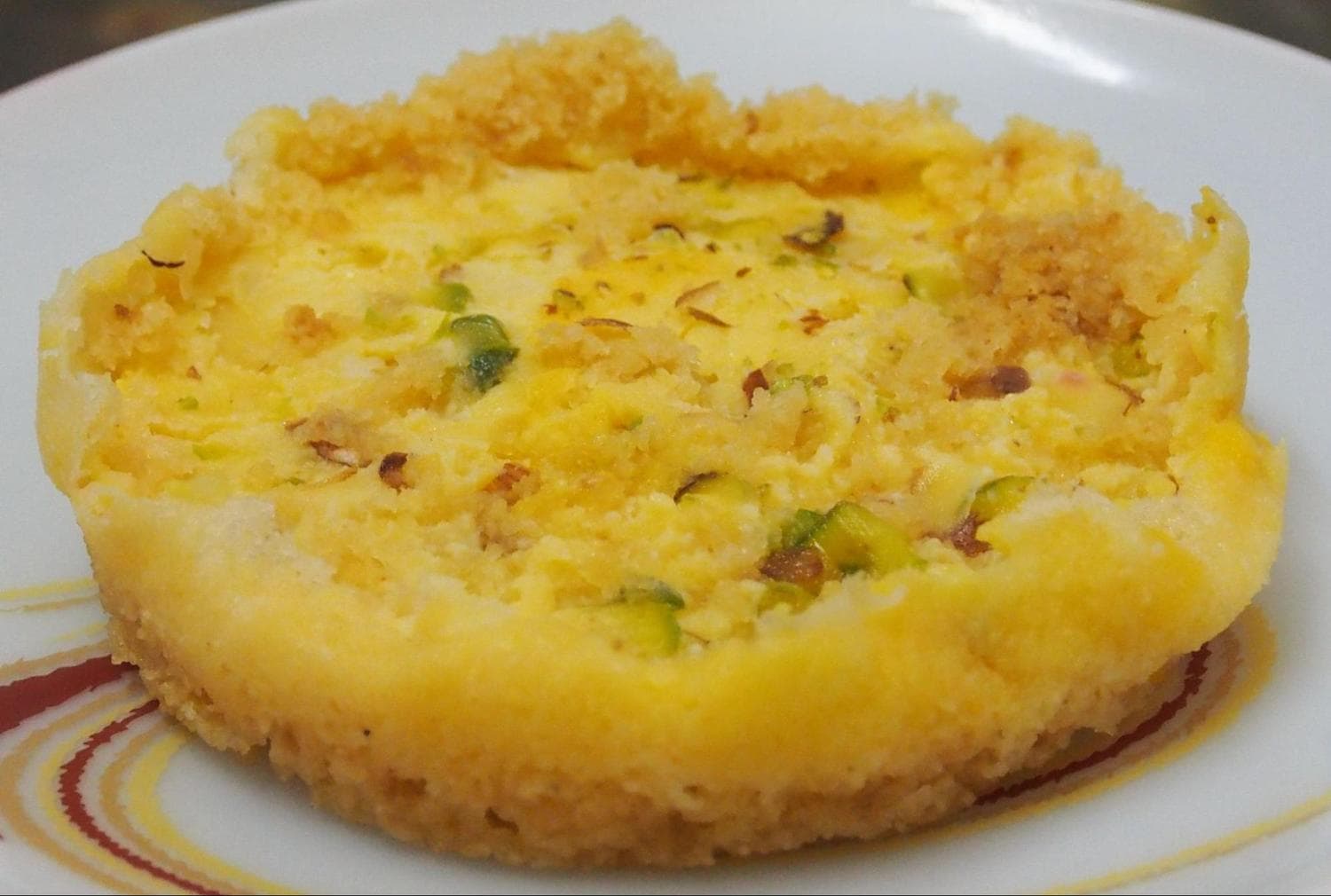
This sweet dish is no match for diet plans, one bite and you will see why. The sugary, deep-fried ghevar is garnished with almonds, pistachios and saffron. You can also try different versions, such as mewa ghevar or malai ghevar, which have a slightly different taste.
Most tourists visit Jaipur just to explore the palaces. While that is the main attraction, the real Jaipur lives within its streets. So stay a little longer, roam around, and experience a culture that has been thriving for ages.