
Most temples in India are built to follow a single path, but the Lotus Temple chooses a different way. This place brings together Hindu, Christian, Muslim, and Sikh communities under one roof and stands as a clear symbol of equality and dignity.
Lotus as Shared Emblem
The flower has long stood for rising above the ordinary and inner purity. Its shape invites many readings, so guests from varied backgrounds bring their own meaning to the petals. White marble surfaces catch light and cast a clear radiance through the main chamber. That image stays with people after they leave and returns as a simple sign of mutual regard.
How the Architect Shaped Unity
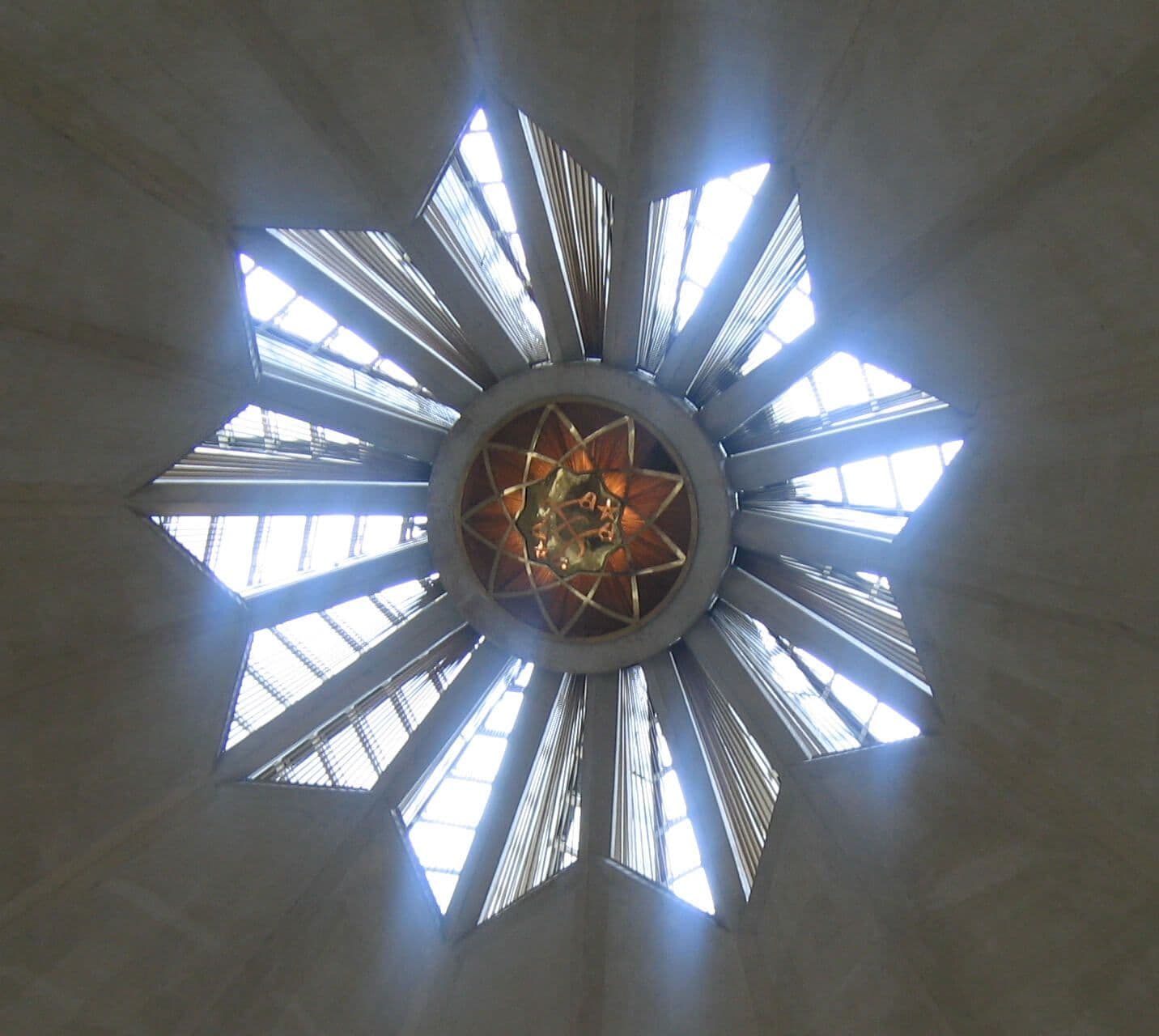
Fariborz Sahba, an Iranian architect, chose a shape that lets no single ritual claim the center. He joined nine curved sections into a balanced ring that looks the same from every side.
Plain benches and tuned acoustics inside the hall create a space for prayer and reverent gatherings. The arrangement allows various forms of worship to share the space without disturbance.
Did you know? Architect Fariborz Sahba received the Excellence in Religious Art and Architecture award in 1987 for his work on the Lotus Temple.
What Happens Inside the Hall
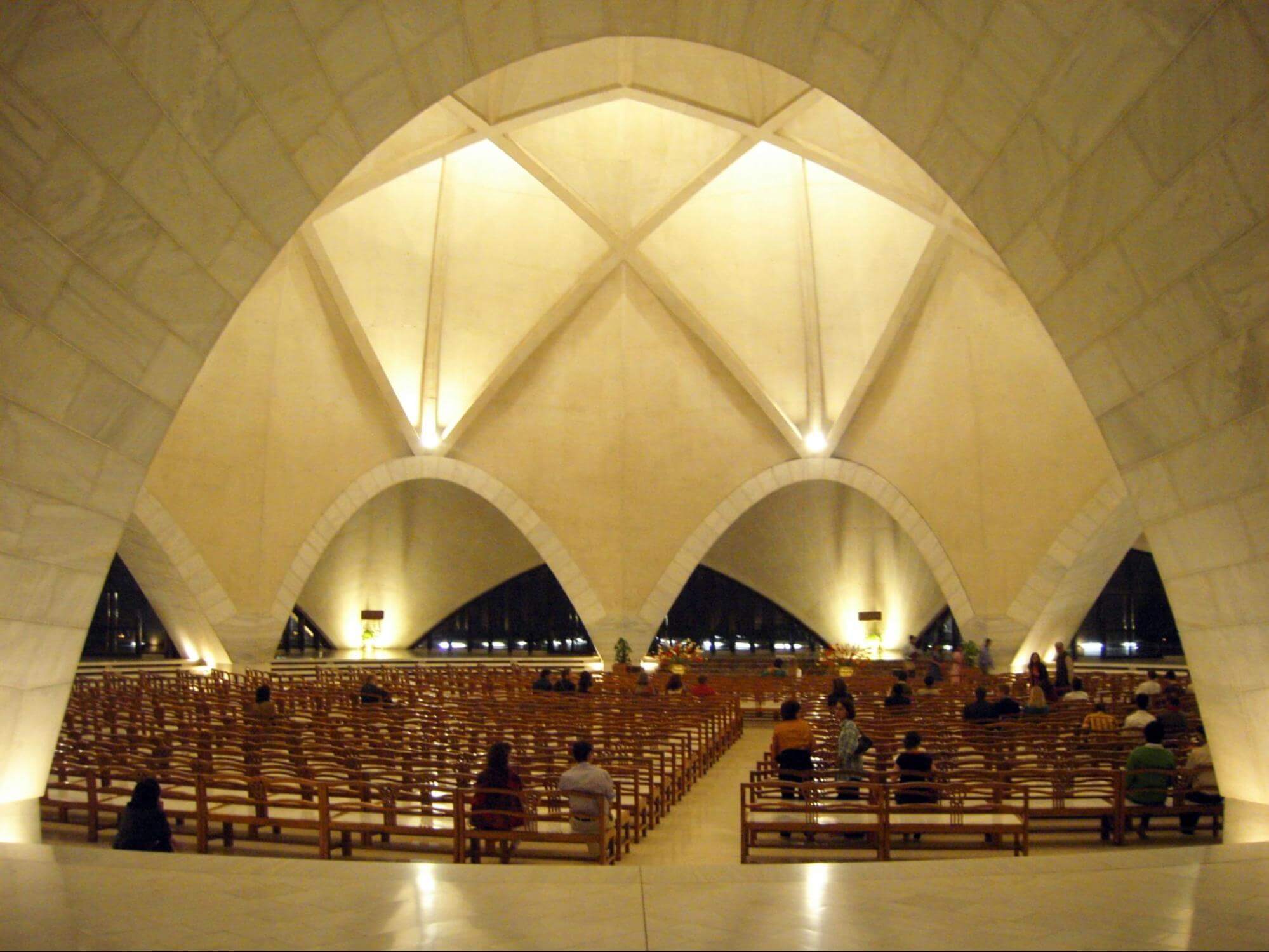
People step in and follow the traditional practices they are familiar with. Some kneel, others sit, and a few light candles before taking a settled place. Shoes are left at the entrance, and photography is allowed only in designated areas. Volunteers guide each group with care so movement through the hall follows a steady rhythm.
Why You Should Visit the Lotus Temple
Beyond its diverse ways of prayer and thoughtful design, this place has much more to share.
Gardens bring steady greenery across the grounds, and flowers add a light fragrance to the air. Water in the pools remains still, giving a clear view of the petals from different angles.
So if you are someone who wants to experience beauty and a sense of peace at the same time, this place is for you.